How to Tell If You Have Termites in Your North Carolina Home
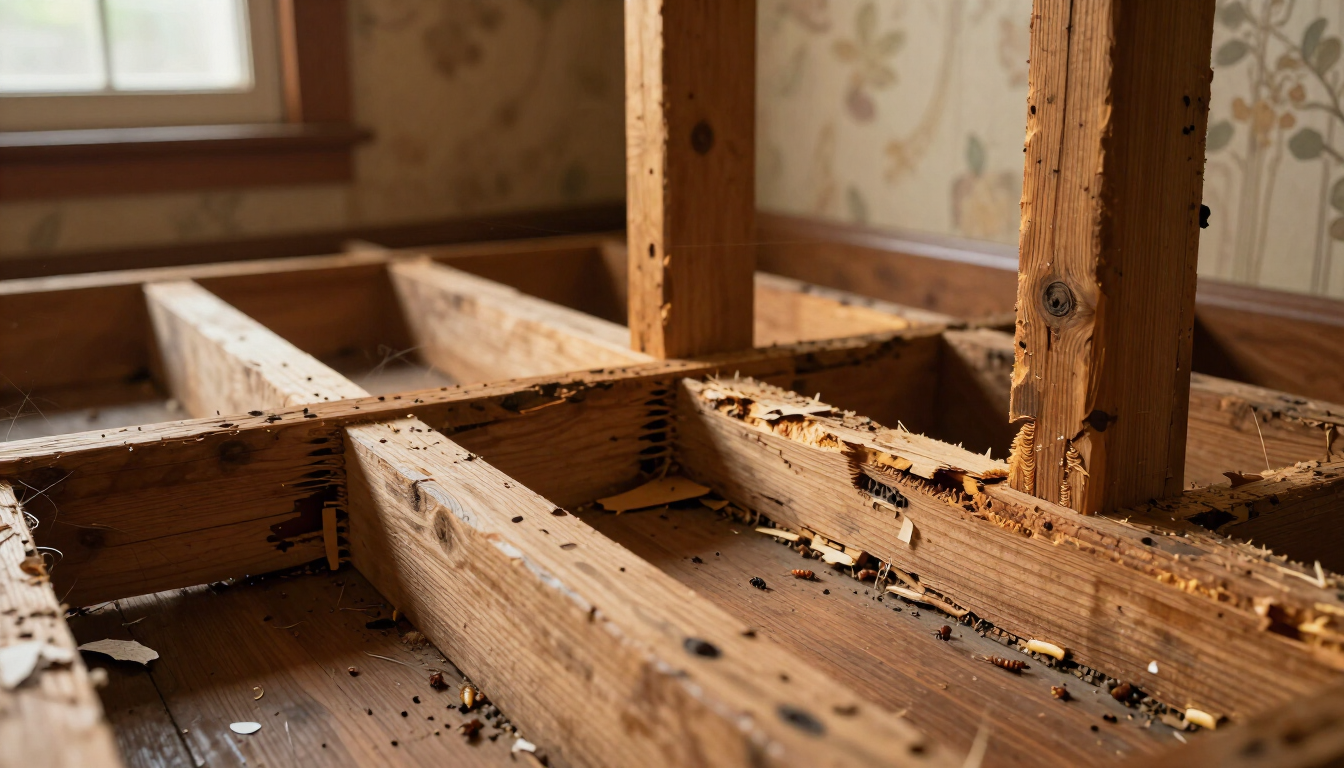
Termites can be difficult to spot because much of their activity occurs in places homeowners rarely see. They may be active behind walls, beneath flooring, around foundations, or inside crawl spaces without immediately drawing attention.
For homeowners in Chatham County and Lee County, knowing what to look for can make it easier to recognize a potential termite problem and determine when it is time for a professional inspection.
Elmore Pest & Mosquito Control provides residential termite inspections and termite control solutions backed by more than 36 years of pest control experience. Rather than assuming every termite concern requires the same approach, we carefully evaluate the property and recommend a treatment plan based on the conditions we find.
Here are several warning signs North Carolina homeowners should know.
1. Mud Tubes Around the Foundation or Crawl Space
One of the more recognizable signs associated with subterranean termites is the presence of mud tubes. These narrow, soil-like pathways may appear along foundations, crawl space components, masonry, or other areas termites use to travel between the soil and a food source.
Homeowners may discover them while working around the foundation or looking through a crawl space.
If you find something that resembles a termite tube, avoid relying solely on photographs or online comparisons to determine whether you have an active infestation. A professional inspection can help identify what you are seeing and whether additional action is appropriate.
2. Termite Swarmers Around Your Property
Swarmers are winged reproductive termites that leave an established colony under suitable conditions. Seeing them inside a home or close to the structure is worth investigating.
Homeowners sometimes mistake termite swarmers for flying ants because the two can look similar at first glance.
You may notice:
- Winged insects around windows
- Insects near doors or other light sources
- Groups of insects emerging from a particular area
- Discarded wings on windowsills or floors
Correct identification matters. An experienced pest control professional can help determine whether the insects are termites, ants, or another pest.
3. Discarded Wings Near Windows or Doors
Even if you do not see the insects themselves, you may find small piles of discarded wings.
These can appear around windowsills, doors, floors, or other locations where swarmers have been active. Finding wings does not tell you everything about the location or extent of a potential termite problem, but it is a reason to investigate further.
Rather than cleaning them up and forgetting about them, consider scheduling an inspection to determine what may be happening around the property.
4. Wood That Looks or Feels Damaged
Because termites feed on cellulose-containing materials, wooden components of a home can be affected by an infestation.
Possible warning signs can include wood that appears damaged, weakened, or different from surrounding material. In some situations, homeowners may describe affected wood as sounding hollow when tapped.
Termite damage is not the only reason wood can deteriorate. Moisture, rot, age, and other insects can produce problems that may look similar.
That is why an inspection is valuable: the goal is to identify the cause rather than make assumptions based on one symptom.
5. Changes Around Floors, Trim, or Other Wood Components
Some termite concerns become noticeable only after changes occur in visible parts of a home.
Homeowners may notice unusual deterioration around wooden trim, flooring, or other structural components. These changes do not automatically mean termites are responsible, but they should not be ignored.
A professional can evaluate the affected area along with other portions of the property to look for evidence of pest activity or conditions that could contribute to a problem.
6. Termite Activity in the Crawl Space
For many North Carolina homes, the crawl space deserves particular attention during a termite inspection.
Crawl spaces can contain wooden structural components and may also experience moisture conditions that warrant evaluation. Because homeowners do not typically spend much time underneath their homes, activity there can be easy to overlook.
A crawl space inspection may reveal:
- Mud tubes
- Suspicious wood damage
- Moisture concerns
- Wood-to-soil contact
- Other conditions that deserve attention
Elmore Pest & Mosquito Control provides both termite and crawl space inspections, allowing us to consider how conditions beneath the home may relate to the pest problem being investigated.
What Attracts Termites to a Property?
There is not always one simple reason termites become active around a particular home. However, certain property conditions can be relevant when evaluating termite risk.
Excess moisture deserves attention. Drainage problems, plumbing leaks, standing water, and damp crawl spaces can all create property conditions that should be addressed.
Wood-to-soil contact is another condition worth evaluating. Firewood, lumber, landscape materials, or structural wood positioned in direct contact with soil may warrant attention as part of an overall termite prevention strategy.
The goal is not to make your property completely inhospitable to every insect. Instead, sensible property maintenance can help address conditions that may contribute to pest problems.
Can You Have Termites Without Seeing Them?
Yes. One of the challenges with termites is that activity can remain concealed.
Not seeing termites crawling around your home does not necessarily establish that the property is free of termite activity. Likewise, discovering damaged wood does not automatically prove termites are responsible.
A termite inspection considers multiple pieces of evidence rather than relying on one visible sign.
That can be especially valuable if you own an older property, have a crawl space, have experienced moisture problems, or have previously encountered termite activity.
Why Professional Termite Identification Matters
DIY pest identification can be useful for recognizing that something may be wrong, but determining exactly what is happening is another matter.
Termites can be confused with other insects, and wood damage can have several possible causes. Treating a property before correctly identifying the issue may waste time and money without addressing the actual problem.
Elmore Pest & Mosquito Control takes a property-specific approach. We inspect the home, consider the evidence and contributing conditions, explain our findings, and recommend an appropriate course of action based on what we observe.
That approach reflects the personalized service that has defined our work for decades.
Local Termite Control in Chatham County & Lee County
Local knowledge is valuable when dealing with pest problems. Elmore Pest & Mosquito Control serves homeowners exclusively throughout Chatham County and Lee County, including communities such as Pittsboro, Siler City, Sanford, Goldston, Moncure, and Fearrington Village.
With more than 36 years of industry experience, Vernon Elmore brings extensive pest control and property inspection knowledge to every service.
As the only locally owned and operated pest control company based out of Chatham County, we focus on relationships rather than treating customers like account numbers. Every property receives individual attention, and recommendations are tailored to the circumstances found during the inspection.
Frequently Asked Questions About Termites
What is one of the most obvious signs of termites?
Mud tubes, discarded wings, swarmers, and suspicious wood damage are all signs that may warrant a professional termite inspection.
Are flying termites the same as flying ants?
No. Termite swarmers and flying ants are different insects, although homeowners can easily confuse them. Professional identification can help determine which pest is present.
Should my crawl space be checked for termites?
A crawl space can be an important area to evaluate because it may contain structural wood, moisture concerns, and other conditions relevant to termite activity.
Does damaged wood always mean I have termites?
No. Wood can deteriorate because of moisture, decay, other insects, or additional factors. An inspection can help identify the likely cause.
Do you provide termite services outside Chatham and Lee County?
Elmore Pest & Mosquito Control focuses its services exclusively on Chatham County and Lee County, North Carolina.
Concerned About Termites? Schedule an Inspection
If you have found mud tubes, discarded wings, suspicious wood damage, or another possible sign of termites, do not wait for the problem to become more noticeable.
Elmore Pest & Mosquito Control can inspect your property, explain what we find, and recommend a termite solution tailored to your home.
Elmore Pest & Mosquito Control
Phone:
(919) 418-9712
Email:
vernon@elmorepestmosquitocontrol.com
Hours: Monday–Friday, 8AM–6PM | Closed Saturday & Sunday